 |
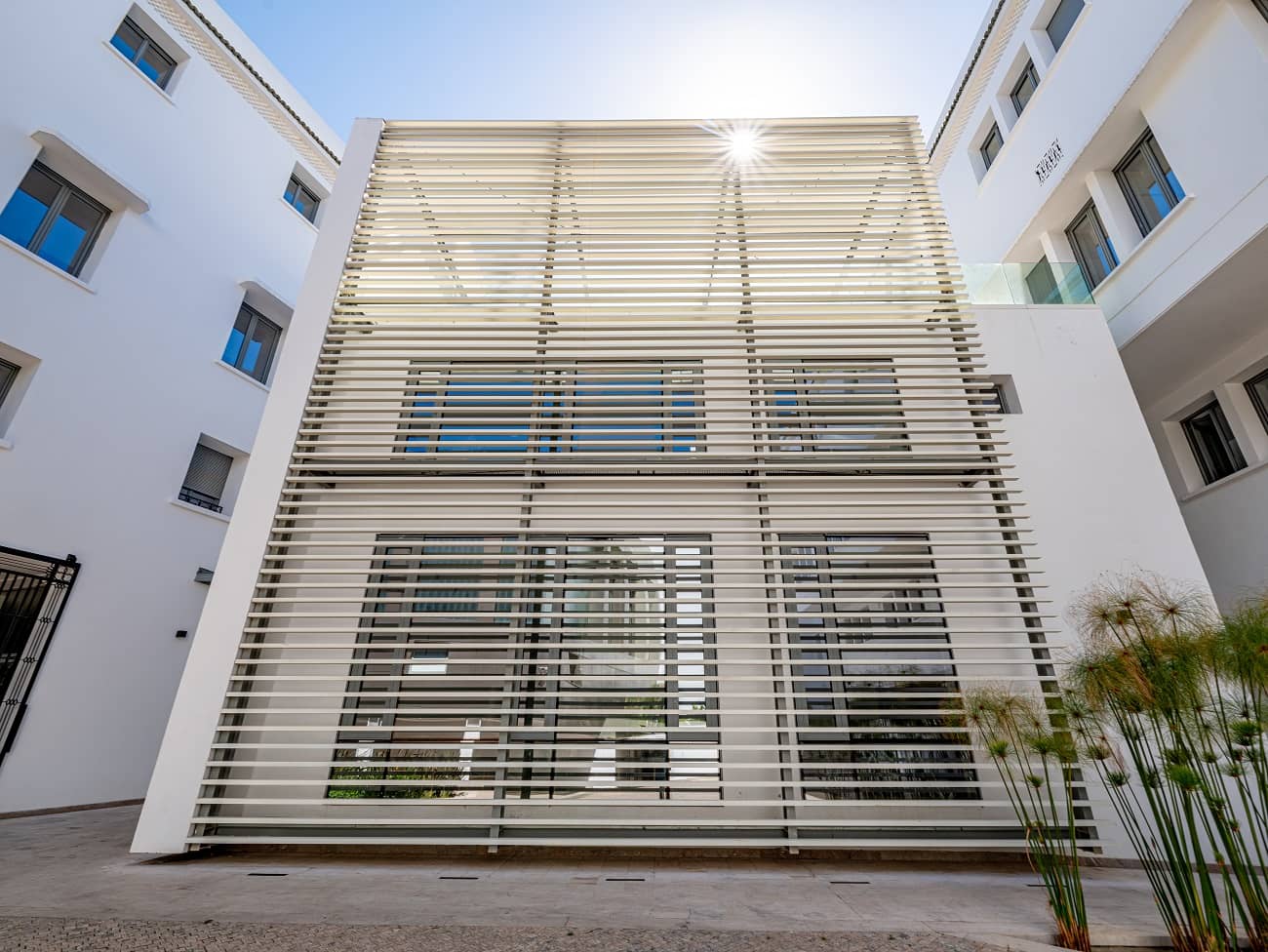
Following its renovation, the historic headquarters of Bank Al Maghrib is now home to seven central entities. It embodies the Bank's management's shared vision for an interactive, modern work environment in the Institution, transforming the workplace experience within the headquarters.
While the sleek design of the building is reminiscent of the values of transparency and openness favored by contemporary central banks, its architecture has preserved its cultural and historical significance. The architects opted for an original layout, with offices distributed across three floors in versatile, partially open-plan spaces which have been modernized to meet the Bank's functional needs.
A range of meeting rooms and collaborative areas has been integrated throughout the building to complement the open-plan offices. Inspired by the best international standards, bubble rooms and acoustic cocoon chairs have been introduced to support a variety of uses and meet different needs.
|
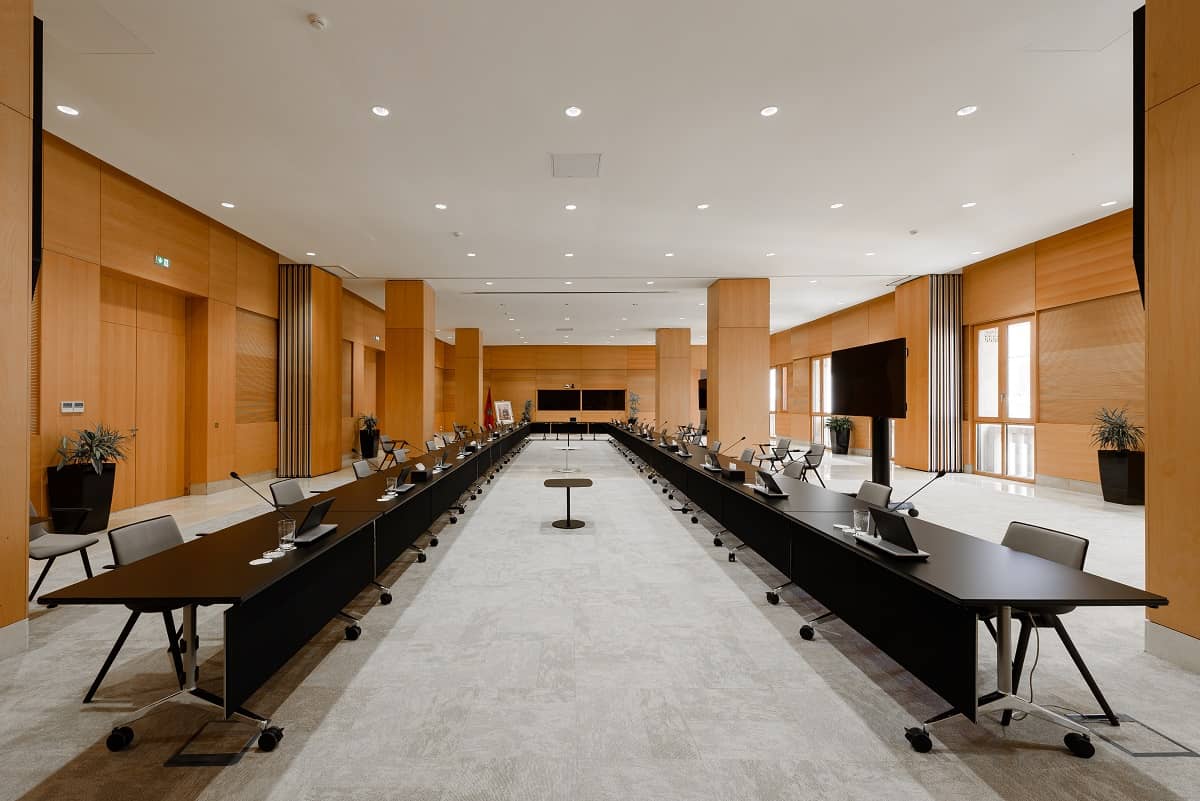 |
While the exterior of the main building has remained unchanged, the interior spaces have been upgraded to align with current layout standards, with emphasis on acoustic comfort, ventilation, heating, plumbing and electrical systems, health and safety codes, accessibility for persons with reduced mobility, energy efficiency, environmental sustainability, and security systems.
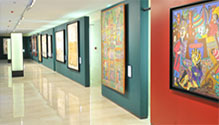
The common areas have been revamped and laid out in such a way as to improve accessibility, safety and functionality. In the same spirit, a restaurant and a landscaped courtyard bring visual appeal and improved lighting to the premises.
|
The edifice has retained its exterior aesthetic, in accordance with its original configuration. However, improvements and repairs have been made, even though most of them are not immediately visible.
The area housing the Bank's government offices has retained its historic character. The retrofitting of this section of the edifice was conducted using traditional techniques and artisanal know-how, particularly for the restoration of the historic atrium, which features a natural cedar wood dome with glass inserts in the ceiling to enhance the entry of natural light. These historic spaces were adorned with traditional materials and artistic motifs on the wrought-ironwork of the windows.
|
Natural light reaches the heart of the building, where ancillary spaces (such reprographics rooms, archives, technical rooms, small meeting rooms) are illuminated by borrowed light. Along the corridors, translucent partitions allow natural light to penetrate into the central areas of the floors.
A variety of choices have been made to reduce resource consumption, including LED lighting, push taps in the lavatories, occupancy sensors, and a charging point for electric vehicles in the parking lot.
|





)
)
)
)
)
)
)